Best boots for gamekeepers

What to look for in the best boots for gamekeepers

Finding the best boots for gamekeepers is about much more than choosing a pair that looks tough or claims to be waterproof. Gamekeepers spend long days outdoors in demanding countryside conditions, covering large estates, walking through mud, wet grass, uneven ground and thick undergrowth in all kinds of weather. In that setting, poor footwear can quickly lead to blisters, cold feet, discomfort and reduced support over the course of the day.

In this guide, we explain what to look for in the best boots for gamekeepers, from the demands of the job to the features that matter most when choosing reliable footwear for gamekeeping.

Why gamekeepers need reliable boots

Supportive boots for long days outdoors

Gamekeeping involves long hours outdoors across large countryside estates. From early morning checks to afternoon rounds, gamekeepers spend much of the day walking between feeders, inspecting pens, checking boundaries and monitoring wildlife. Because of this, reliable boots are an essential part of a keeper’s daily kit.

Footwear for rough countryside terrain

Keepers regularly walk across wet grass, muddy tracks, uneven ground and rough woodland paths. On many estates the terrain can change quickly, from soft ground to rocky tracks or steep slopes. Boots with poor grip or support can quickly become uncomfortable and unstable in these conditions.

Working in all weather conditions

Gamekeepers work outdoors year-round, often dealing with rain, cold mornings and constantly changing countryside weather. Boots that are not properly waterproof can quickly lead to wet feet and discomfort during long days outside.

Comfort and safety during long working days

Poor footwear can have a real impact on comfort and safety in the field. Boots that lack cushioning, support or durability can cause blisters, sore feet and fatigue. Well-built boots help keepers stay comfortable, supported and stable while working across demanding countryside terrain.

“There is no bad weather, only bad gear”

“When you're covering miles of estate every day, comfort and support matter”

Boots vs wellies for gamekeeping

Why wellies are popular with gamekeepers

Wellington boots are a common choice for many keepers, particularly when working in very wet conditions. They are quick to pull on, completely waterproof and useful when walking through muddy ground, wet grass or shallow water. For short tasks around the estate, wellies are a practical footwear option.

The limitations of wellies for long working days

However, wellies are not always ideal for long days in the field. Many rubber boots provide limited ankle support and cushioning, which can make long walks across uneven ground uncomfortable. Because rubber does not breathe well, wellies can also trap heat and moisture inside the boot during extended use.

When wellies are best

There are still situations where wellies make sense for keepers. When working in very wet ground, marshy areas or during quick jobs around the estate, they provide simple and reliable waterproof protection.

Why many keepers prefer leather boots

For longer days walking across estates, many keepers prefer supportive leather boots. Proper gamekeeper boots typically offer better grip, stronger ankle support and improved comfort over rough terrain. They are designed for stability and durability, helping keepers stay comfortable during long hours outdoors.

What makes the best gamekeeper boots

Durable construction for demanding countryside work

Gamekeeping often means walking through thick vegetation, rough ground and muddy tracks. Boots need to be built from strong materials that can handle daily wear from brambles, stones and uneven terrain. Durable leather uppers, reinforced stitching and protective outer coatings help boots withstand the demanding conditions keepers face throughout the year.

Waterproof protection for wet environments

Wet ground is a regular part of working in the countryside. Walking through long grass, muddy paths or damp woodland quickly exposes boots to moisture. High-quality gamekeeper boots often include breathable waterproof membranes, such as modern microporous linings, which keep water out while allowing moisture and heat to escape.

Support and comfort for long working days

Keepers can spend many hours on their feet, often covering large distances across an estate. Boots need to provide cushioning, support and flexibility to reduce fatigue over the course of the day. Features such as supportive collars, cushioned insoles, flexible movement points and well-designed lacing systems help keep feet comfortable during long periods outdoors.

Grip and stability on rough terrain

Uneven ground, slippery mud and rocky tracks are common on many estates. Boots with high-traction soles, such as Vibram performance soles, help provide reliable grip and stability in these conditions. Reinforced toe areas and protective rands also help shield the boot from damage when walking across rough ground.

Why many keepers choose Dedito Boots

Boots designed for demanding countryside environments

Dedito boots are developed specifically for people who spend long days working outdoors. The boots are designed to perform across the types of terrain keepers encounter every day, from wet grass and muddy fields to woodland tracks and rough ground.

Built for durability and long days outdoors

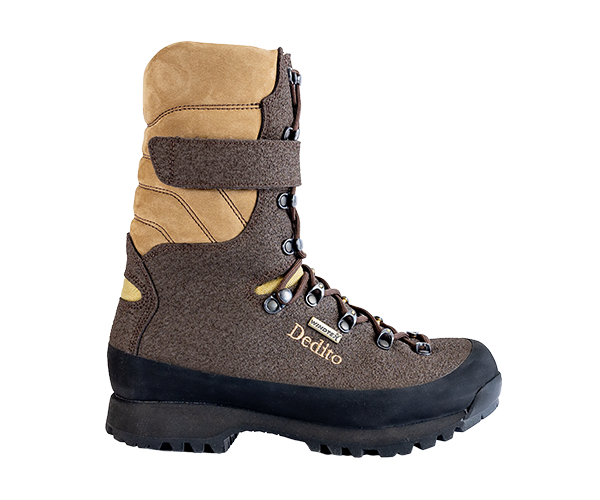
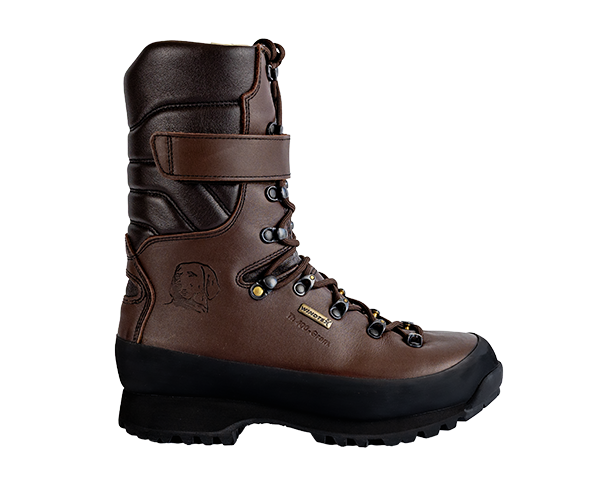
Durability is a key priority for keepers who rely on their footwear every day. Dedito boots feature durable nubuck leather combined with a protective PU coating that helps shield the boot from scratches, mud and undergrowth, while reinforced stitching and protective rands add strength in high-wear areas.

Reliable grip and waterproof protection

Working across wet and uneven terrain requires dependable grip and protection from the elements. Dedito boots combine waterproof and breathable Windtex membranes with high-traction Vibram soles to help keep feet dry and stable in challenging outdoor conditions.

Trusted by countryside professionals

Dedito boots are worn by many countryside professionals who need footwear that performs in real working environments. Designed with feedback from keepers and outdoor workers, they provide the comfort, support and durability required for life in the field.

“A keeper’s boots take more punishment than almost any other piece of kit”

Questions about gamekeeper boots

Are boots or wellies better for gamekeepers

Leather gamekeeper boots are usually better for long working days because they offer support, grip and comfort. Wellies are useful for very wet conditions, but gamekeeper boots vs wellies comparisons often favour boots for daily estate work.

What are the best boots for gamekeepers?

The best boots for gamekeepers combine waterproof protection, strong grip, ankle support and durable construction. These features help handle wet grass, mud and uneven countryside terrain.

How long do gamekeeper boots last?

High-quality gamekeeper boots can last several years, depending on usage and terrain. Durable leather, reinforced stitching and proper maintenance help extend the lifespan.

Are waterproof boots necessary for gamekeepers?

Yes, waterproof gamekeeper boots are essential. Keepers regularly walk through wet grass, mud and damp woodland, where waterproof protection helps keep feet dry and comfortable.

What sole is best for gamekeeper boots?

Gamekeeper boots need high-traction soles with deep tread patterns. Performance soles designed for mud and uneven terrain provide stability across countryside environments.

Do gamekeepers need ankle support in boots?

Yes, gamekeeper boots with ankle support help reduce fatigue and improve stability when working across uneven ground and slopes.

Are leather boots better than rubber boots for gamekeeping?

Leather gamekeeper boots are often better for daily work. They provide better breathability, comfort and support compared to rubber wellies.

What features should gamekeeper boots have?

Good gamekeeper boots should include waterproof membranes, durable leather, strong grip, reinforced construction and cushioned support for long days outdoors.